

In Vietnam’s big cities, most mobile networks feel good enough for everyday travel. The real difference usually appears when you head into the mountains. Once your trip includes long road sections, smaller towns, highland routes, or places where stops are spread farther apart, coverage matters much more than small differences in plan price.
This is why travelers planning trips through Ha Giang, Sapa, Cao Bang, or other mountain regions often compare networks more carefully. For these routes, the question is not simply which plan looks cheaper. It is which network gives you a better chance of staying connected when you are between towns, checking directions, contacting a driver, or trying to load a map in less built-up areas.
If you are comparing options for a mountain-heavy itinerary, many travelers end up looking first at stronger Viettel coverage on mountain routes rather than just general city performance.

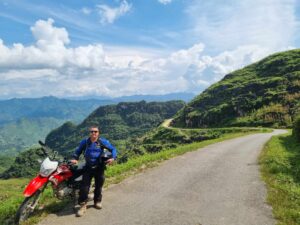
Why mountain travel reveals network differences more clearly
City travel can hide weak points in a mobile network. In places like Hanoi or Ho Chi Minh City, signal is rarely the main concern because cafés, hotels, restaurants, and tourist areas are easy to navigate. Even if one network is slightly weaker than another, many travelers may not notice it much.
Mountain travel is different. Routes can involve winding roads, smaller villages, fewer landmarks, and longer stretches between stops. In those conditions, mobile data becomes more practical and more important. You may need it for maps, weather checks, accommodation contact, or simple route coordination while moving.
That is why a network that feels perfectly fine in a city may feel much less dependable once the trip moves into northern mountain areas.
Why Viettel is often preferred for mountain routes
Viettel is commonly seen as the strongest option for travelers who expect to spend time outside Vietnam’s main urban centers. For mountain trips, this matters because the goal is usually not maximum speed at every moment. What matters more is having a usable connection more often while you are on the move.
That becomes especially useful when you need to:
- Check directions between towns
- Load maps during long road sections
- Contact a homestay, guide, or driver
- Check weather before heading into higher areas
- Stay reachable during a multi-stop route
For travelers who care more about staying connected on the road than chasing the cheapest plan, Viettel is often the safer choice.
How other mobile networks compare
Other Vietnamese mobile networks can still work well in many parts of the country. If your trip is mainly focused on large cities, common tourist centers, or destinations with strong infrastructure, the difference may not feel dramatic.
But once the itinerary includes mountain passes, smaller towns, or more remote stretches between destinations, the gap becomes more noticeable. A network that performs well enough in urban areas may feel less consistent when the route becomes more rural and less connected.
This does not mean other networks are unusable. It means that for mountain-focused travel, broader and more dependable coverage usually matters more than a slightly lower price or a different package structure.
Best network choice for places like Ha Giang and Sapa
Travelers going to Ha Giang or Sapa often ask whether network choice really matters. In practice, it depends on how your trip is structured. If you are staying mostly in town, using hotel Wi-Fi, and only taking short rides nearby, several networks may feel acceptable.
If your plan includes road travel, village visits, trekking days, or moving regularly between towns and viewpoints, stronger coverage becomes much more valuable. This is where Viettel usually stands out in traveler preference, because these are exactly the kinds of routes where signal consistency matters more than normal city convenience.
For mountain itineraries, losing connection is not always just annoying. It can interrupt navigation, make coordination harder, and add friction to a day that is already more logistically demanding than a standard city trip.

What travelers usually need most in mountain areas
Most travelers do not need perfect signal every second. What they usually need is enough coverage to make the trip run smoothly. That means being able to load a map, send a message, check a route, or stay in contact during the parts of the journey where Wi-Fi is not available and the next town is still some distance away.
For mountain travel in Vietnam, the most useful network qualities are usually:
- Stronger coverage outside major cities
- More dependable signal between towns
- Better support for road-based itineraries
- Less dependence on hotel or café Wi-Fi
- More peace of mind on remote routes
This is why travelers planning northern loops and highland trips often care less about the cheapest possible plan and more about choosing the network that feels more dependable overall.
Who should choose Viettel over another network
Viettel usually makes the most sense for travelers whose itinerary includes highland roads, mountain provinces, or rural routes where staying connected matters throughout the day. It is especially suitable for:
- Ha Giang Loop travelers
- Sapa trekking and village trips
- Northern Vietnam road trips
- Travelers visiting remote or less connected areas
- Anyone who wants stronger coverage beyond major tourist hubs
If your trip is centered around major cities and short transfers, another network may still be enough. But if mountain coverage is one of your top concerns, Viettel is usually the network travelers trust first.
When another network may still be good enough
Not every traveler needs the same level of coverage. Another network may still suit your trip if you are staying mostly in Hanoi, Ho Chi Minh City, Da Nang, or other well-connected urban destinations. The same is true if mountain time is brief and most of the trip happens in built-up areas.
For city-based travel, lower cost or a different plan format may be enough reason to choose another option. The difference becomes more important only when your route depends more heavily on mobile data while moving through less connected areas.
Why many travelers arrange this before arrival
For mountain routes, it helps to have mobile data ready before the journey starts. Once you land and your itinerary begins moving, it is much easier to travel when your connection is already set up. You can check directions, confirm bookings, contact transport, and handle small changes without wasting time looking for a better option on arrival.
That is one reason many travelers prepare their eSIM in advance, especially when the trip includes remote scenery, road travel, or multiple stops across northern Vietnam.
Why many mountain travelers choose Viettel first
If your trip is mainly city-based, several Vietnamese networks may feel good enough for everyday travel. But once your route includes mountain roads, smaller towns, and longer stretches between stops, coverage becomes much more important. That is why many travelers choose Viettel first for mountain travel in Vietnam, especially when dependable signal matters more than saving a small amount on the plan.
FAQ about Viettel mountain coverage
Is Viettel better for mountain travel in Vietnam?
For many travelers, yes. Viettel is widely preferred for mountain routes and rural areas where stronger overall coverage matters more than standard city performance.
Do other Vietnamese networks work in mountain areas?
They can still work in many towns and travel areas, but the difference becomes more noticeable on remote roads and between less connected destinations.
Is Viettel a good choice for Ha Giang and Sapa?
Yes. Many travelers choose it for Ha Giang and Sapa because these routes often involve mountain roads, village areas, and travel beyond town centers.
Should I choose a network based on price alone?
For city trips, price may matter more. For mountain travel, coverage reliability is usually the more practical factor because it affects navigation, coordination, and general convenience on the road.
Is it better to set up an eSIM before arriving in Vietnam?
Yes, especially if your itinerary starts quickly or includes remote areas early in the trip. Having mobile data ready from the beginning makes the journey smoother.
Choosing a network for Vietnam is simple when the trip stays urban. Choosing one for mountain travel takes more thought. If your route includes highland roads, remote scenery, and long stretches between towns, coverage becomes one of the most useful things to get right before you go.