
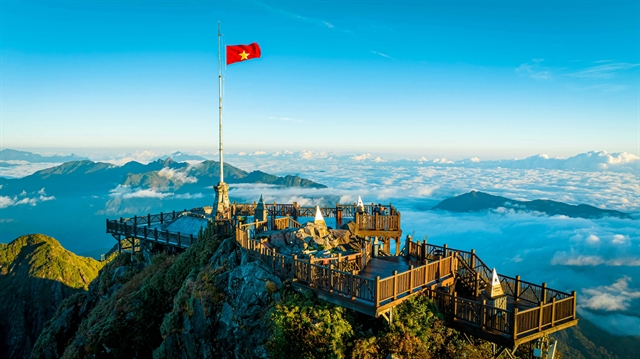
A good Sapa trip starts before you leave home. Weather in the mountains can shift quickly, walking conditions are not always easy, and simple things like shoes, cash, rain gear, and phone data matter more here than many travelers expect. This Sapa travel checklist covers what to pack and what to arrange before departure so the trip feels smoother from the start.
If you are going to Sapa for trekking, village visits, rice terrace views, or a short mountain escape, it helps to prepare for the real conditions rather than just the photos. Cooler mornings, damp paths, slopes around town, and long travel hours can all affect what you should bring.
A quick Sapa travel checklist includes: layers for changing weather, shoes with grip, rain protection, cash, a power bank, a small day bag, and mobile data ready before arrival.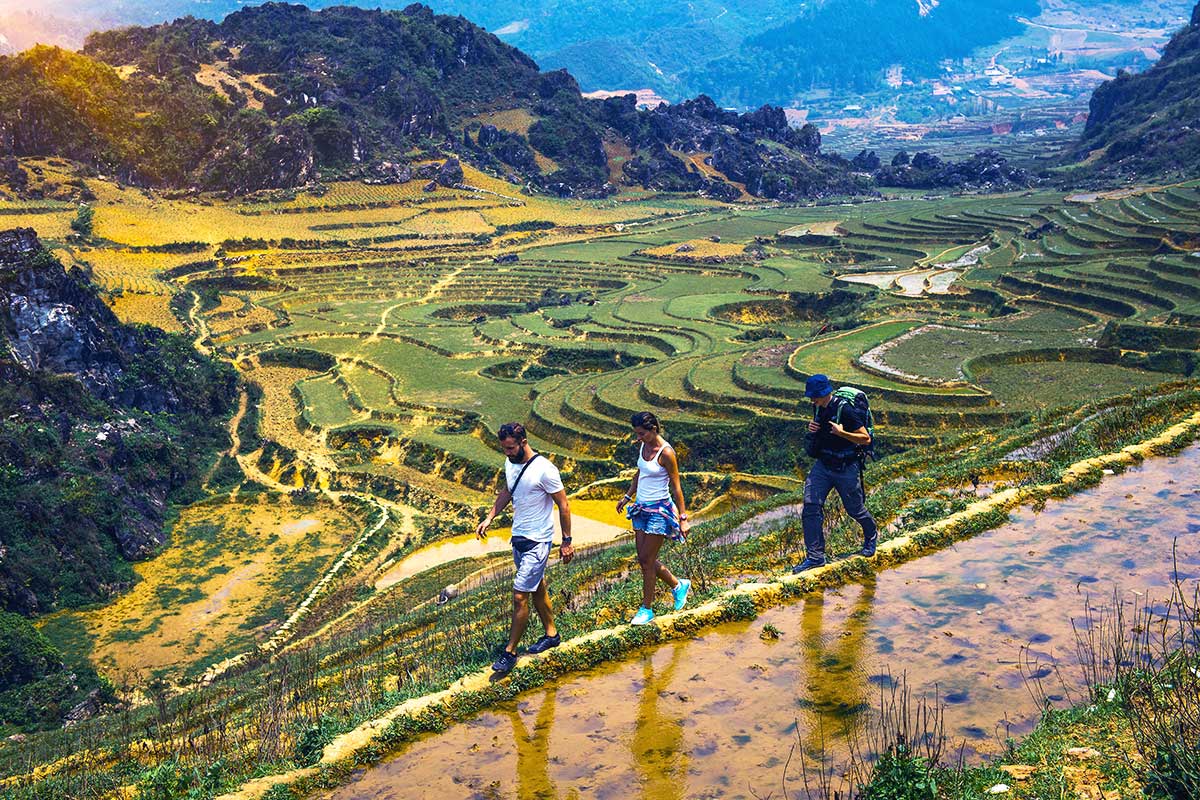
What to arrange before your Sapa trip
Before packing clothes, sort out the basics that shape the whole journey. Sapa is often reached by overnight bus, train plus transfer, or private car, so arrival timing and trip planning matter more than they do for a simple city break.
- Confirm your hotel or homestay booking
- Double-check bus, train, or transfer details
- Look at the weather forecast for your travel dates
- Save booking screenshots on your phone
- Prepare some cash for local purchases
- Make sure maps, hotel contact details, and transport messages are easy to access
This part is easy to rush through, but it often makes the biggest difference once you are already on the road.
What to pack for Sapa’s weather
Sapa weather is one of the main reasons travelers pack the wrong things. Early mornings and evenings can feel much cooler than Hanoi, while afternoons may be comfortable enough for lighter clothes. Fog, drizzle, and damp air are also common depending on the season.
- Light tops for daytime
- A warm jacket, fleece, or hoodie for cooler hours
- A waterproof outer layer or compact rain jacket
- Long pants for walking and trekking
- Extra socks in case your shoes get wet
- Comfortable sleepwear for chilly nights
Layers usually work better than one heavy outfit. That gives you more flexibility through the day without overpacking.
What shoes to wear in Sapa
If your trip includes walking through town, heading to viewpoints, visiting villages, or joining a trek, your shoes matter a lot. Sapa often means slopes, uneven surfaces, steps, and paths that can turn muddy after rain.
- Walking shoes or trail shoes with good grip
- Easy sandals or slip-ons for hotel or homestay use
- A second pair if your main shoes get soaked
It is better not to bring brand-new shoes for Sapa. Broken-in shoes are far more comfortable for long walking days.
Small items that make a big difference
These are the items many people forget, even though they often end up being the most useful once the trip begins.
- Compact umbrella or poncho
- Hat or cap
- Sunscreen
- Lip balm and moisturizer
- Reusable water bottle
- Tissues and hand sanitizer
Sapa can feel cool, but you may still spend long hours outdoors. A few small comfort items go a long way.
What to bring for trekking days
If trekking is part of your itinerary, pack for movement and changing conditions. Village routes can be straightforward on dry days, but after rain they may become slippery, wet, and more tiring than expected.
- A small daypack
- Water
- Light snacks
- Power bank
- Rain layer
- Offline map backup
- A spare pair of socks
Keeping your trekking bag light makes the day more comfortable, especially if you are walking for several hours.
Documents, money, and practical essentials
This part of a Sapa packing list is not exciting, but it is what prevents unnecessary hassle during the trip.
- Passport
- Hotel and transport confirmations
- Emergency contact details
- Cash in smaller notes
- A bank card for larger payments
- Phone charger and power bank
In the main town area, cards are accepted in many places, but cash is still useful for local food stops, smaller shops, and purchases outside the busiest tourist zone.
Do not forget your phone setup before leaving
In Sapa, your phone often handles more than photos. It helps with maps, weather updates, hotel messages, transport coordination, and staying connected while moving between town and mountain routes. That is why many travelers prefer to arrange mobile data that stays reliable in Sapa before the trip begins, especially if they expect to spend time outside the center.
Having data ready from the start means less time searching for Wi-Fi and fewer problems if plans change during the journey.
Plan your route to Sapa before departure day
Transport to Sapa is manageable once arranged, but it is better not to leave the details vague until the last minute. This is especially true if you are arriving early, reaching Sapa after an overnight trip, or planning to go trekking soon after check-in.
- Check your exact departure point
- Know your expected arrival time
- Confirm whether early check-in is possible
- Check how far your stay is from the town center
- Allow time to rest before trekking if needed
This small amount of planning can save you from arriving tired, carrying bags uphill, or waiting around without a clear next step.
Health and comfort items worth bringing
You do not need a large medical kit, but a few personal essentials can make the trip much easier. Mountain roads, cooler air, and longer walking days all add up.
- Your regular medication
- Motion sickness tablets if winding roads affect you
- Basic pain relief
- Blister patches
- Wet wipes
- A few bandages
These are the kind of items travelers usually remember only after they need them.
Last-minute Sapa travel checklist before you go
If you want one simple list to check before leaving, use this:
- Passport and booking confirmations
- Layers for cool mornings and evenings
- Rain protection
- Comfortable walking shoes with grip
- Cash and card
- Power bank and charging cable
- Day bag for trekking or day trips
- Water bottle and snacks
- Personal medication
- Phone data set up before arrival
You do not need to overpack for Sapa. You just need the things that match the real pace and conditions of the trip.
FAQ about packing and planning for Sapa
What should I pack for Sapa?
You should pack layered clothing, comfortable shoes with grip, rain protection, cash, a power bank, and a small day bag. If you are trekking, add water, snacks, and spare socks.
Do I need a jacket in Sapa?
Yes, in most cases it is a good idea. Sapa is usually cooler than lowland cities, especially in the morning, evening, and during rainy weather.
What shoes should I wear in Sapa?
Walking shoes or trail shoes with good grip are the safest choice. This matters even more if your trip includes trekking, village walks, or travel after rain.
Should I carry cash in Sapa?
Yes. Many places in town accept cards, but cash is still useful for local restaurants, smaller shops, and stops outside the main tourist area.
Is mobile signal important for a Sapa trip?
Yes. It helps with maps, driver contact, weather checks, and getting around more smoothly, especially if you are moving beyond the center of town.
Sapa is much more enjoyable when the practical side is already sorted. Pack for changing weather, choose shoes that can handle real walking, keep your trip details easy to access, and make sure your phone is ready before you set off. Once that is done, you can focus on the mountain views and the slower rhythm that makes Sapa worth the journey.