
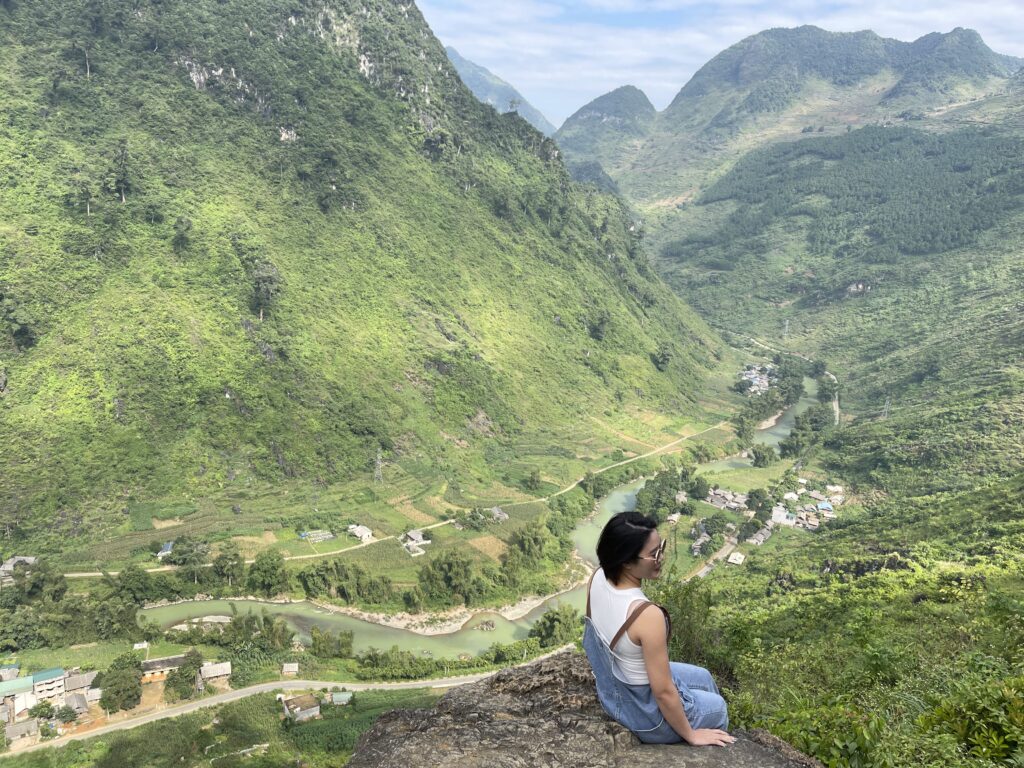
The best Ha Giang travel tips for first-time travelers all come down to one thing: prepare for the journey, not just the photos.
Ha Giang looks stunning online, but the real trip is longer, colder, steeper, and more unpredictable than many people expect. If you plan your route well, pack smart, and know what to expect before leaving Ha Giang City, your first loop will feel far more enjoyable and far less stressful.
For many travelers, Ha Giang becomes the most memorable part of Vietnam. It is not polished or easy in the way beach destinations are. That is exactly why people love it. You get dramatic mountain passes, small villages, changing weather, and a sense of adventure that feels real. But that also means first-timers should go in with realistic expectations.


Plan 3 to 4 Days Minimum
If this is your first time, do not try to rush Ha Giang in 2 days.
Distances on the map may not look extreme, but mountain roads take longer than most people expect. You will want time for photo stops, meal breaks, viewpoints, and occasional weather delays. A rushed schedule turns a beautiful trip into a tiring one.
A realistic beginner-friendly pace usually looks like this:
- Day 1: Ha Giang City to Yen Minh
- Day 2: Yen Minh to Dong Van
- Day 3: Dong Van to Meo Vac and onward to Du Gia
- Day 4: Du Gia back to Ha Giang City
This gives you enough time to enjoy the scenery without feeling like you are constantly chasing the clock.

Be Honest About Your Riding Ability
One of the most important Ha Giang travel tips is simple: do not overestimate your confidence on mountain roads.
The roads are beautiful, but they are not beginner roads. You will deal with sharp bends, steep climbs, blind corners, trucks, wet surfaces, and occasional fog. If you are already experienced riding in this kind of terrain, self-riding can be amazing. If not, choosing an easy rider is often the smarter and safer choice.
Many first-time visitors worry that taking an easy rider will make the trip less exciting. In reality, it often makes the experience better. You can relax, enjoy the views, and arrive less exhausted at the end of each day.
Check the Motorbike Properly Before You Pay and Leave
A quick look is not enough. Test the bike properly while you are still in town.
Before you agree everything is fine, check:
- Front and rear brakes
- Tire condition
- Headlight and brake light
- Horn
- Mirrors
- Fuel level
- Helmet fit and condition
Then take a short test ride around Ha Giang City. It is also worth asking the rental shop what support they provide if the bike has a problem somewhere on the route. That is much easier to clarify before you leave than halfway through a mountain road.
Do Not Ride After Dark
If you fall behind schedule, stop earlier instead of pushing into the evening.
This is one of the mistakes first-timers regret most. Mountain roads become more difficult after dark, visibility drops quickly, temperatures fall, and riding becomes more tiring than expected. Even if the distance looks manageable, the safer choice is usually to stay the night and continue the next morning.
Check the Weather Every Morning
Ha Giang weather changes fast, sometimes within a few hours.
A morning can begin cool and clear, then turn rainy, windy, or foggy by the afternoon. Before leaving each day, quickly check the forecast and ask your homestay host about local road conditions. Local advice is often more useful than a weather app alone, especially in mountain areas.
If rain is expected, leave earlier and give yourself more buffer time.
Pack Light, but Pack for Temperature Changes
Ha Giang is not the place for a heavy suitcase on the loop.
A backpack or small duffel is far more practical. If you are carrying a larger suitcase, leave it at your hotel or hostel in Ha Giang City and take only what you need for the loop.
What helps most:
- A light jacket or fleece
- A raincoat or poncho
- Comfortable shoes with grip
- Sunscreen and sunglasses
- A change of clothes in a dry bag or plastic pouch
Layering works better than carrying bulky clothing. Even when the daytime feels warm, mornings and evenings can be surprisingly cold.
Fuel Up When You Can
Do not wait until your tank is nearly empty.
Fuel is not impossible to find in Ha Giang, but it is not something you should treat casually in remote stretches. A good habit is to top up when you have the chance, especially before longer mountain sections. This removes unnecessary stress and gives you one less thing to worry about on the road.
Bring Cash Before Leaving Ha Giang City
Cash still matters a lot in Ha Giang.
Many homestays, local eateries, and roadside stops still prefer cash, and ATMs become much less convenient once you leave the city. Bring enough Vietnamese Dong before starting the loop, and keep some smaller notes for simple purchases along the way.
It is much easier to withdraw early than to start searching for an ATM in a small town at the end of a long riding day.
Download Offline Maps Before the Loop
Do not rely only on live signal for navigation.
Even if you plan to use your phone for directions, always download offline maps before leaving Ha Giang City. Save your accommodation names, route screenshots, and any important phone numbers as backup. This makes a real difference if your signal weakens in mountain sections.
What to Do the Night Before the Ha Giang Loop
The evening before departure is the best time to handle the small things that save you trouble later.
- Charge your phone and power bank fully
- Withdraw enough cash
- Download offline maps
- Save your first homestay address and phone number
- Check the weather for the next morning
- Pack your bag so your rain layer is easy to reach
- Sleep early enough to start on time
None of these tasks are difficult, but they make the first day of the Ha Giang Loop noticeably smoother.
Mobile Signal Is Useful, but Not Always Consistent
Connection in Ha Giang is better when you prepare for it before the trip.
Signal can weaken in remote mountain stretches, especially when you are moving between towns or riding through less populated areas. That matters more than many first-timers expect, because you may need maps, weather updates, homestay contact details, or route changes while already on the road.
For travelers who want reliable mobile data in Ha Giang, it is much easier to sort this out before departure rather than trying to fix it once you are already in the mountains.
Start Early Each Day
The best riding hours are usually in the morning.
Leaving around 6:30 to 7:30 AM helps you avoid the hottest part of the day, gives you more time for scenic stops, and reduces the risk of arriving too late at your next overnight stop. Morning light is also when Ha Giang often looks its best.
Starting late may feel more relaxed at first, but it often creates pressure later in the day.
Book Ahead During Busy Periods
If you travel in October, on holidays, or during popular flower seasons, do not assume rooms will always be waiting for you.
Ha Giang is more popular now than it was a few years ago. First-time travelers often imagine they can decide everything as they go. Sometimes that works, but during peak periods it can mean limited room choices, higher prices, or having to ride farther than planned.
Booking at least your first nights gives the trip a much smoother start.
Respect Local Communities
Ha Giang is not just a scenic loop. People live here.
Some of the most memorable parts of the trip come from staying in small villages and interacting with local families. Be respectful when taking photos, keep noise down in homestays, and avoid treating villages like tourist sets. A little awareness changes the tone of the whole trip.
What First-Time Travelers Usually Get Wrong
Most first-timer problems are not dramatic. They come from small mistakes that build up over a few days.
- Trying to do the loop too fast
- Assuming all roads are easy
- Leaving too late in the morning
- Carrying too much luggage
- Not preparing for cold, rain, or fog
- Depending fully on live signal and online maps
- Running low on fuel or cash at the wrong time
If you avoid these common mistakes, your first Ha Giang trip will already feel much smoother than many other first-timers’ experiences.
Before You Leave Ha Giang City, Make Sure You Have These Basics
A quick final check before departure can save you a lot of stress once the road gets more remote.
- Enough cash for the next few days
- Offline maps already downloaded
- Your first homestay saved offline
- Your phone charged and power bank packed
- A light jacket and rain layer within easy reach
- Your bike tested properly
- Your fuel level checked
- Your mobile data already working
You do not need to over-plan the whole trip. You just want the basics handled before leaving the city, so the rest of the journey feels easier from the start.
Frequently Asked Questions
Is Ha Giang worth it for first-time visitors to Vietnam?
Yes, if you enjoy scenery, road trips, and places that feel less polished and more adventurous. It is one of the most memorable parts of Vietnam for many travelers, but it suits people who are comfortable with longer travel days and mountain conditions.
Can beginners do the Ha Giang Loop?
Yes, but beginners should be honest about riding ability. If you are not confident on mountain roads, an easy rider is the better option.
How many days do you need in Ha Giang?
For most first-time travelers, 3 to 4 days is the best balance. It gives you time to enjoy the route without rushing.
Do you need cash in Ha Giang?
Yes. Many smaller places still prefer cash, and ATM access becomes less convenient once you leave Ha Giang City.
What is the best month to visit Ha Giang?
There is no single perfect month for everyone. October is popular for buckwheat flowers, while spring and autumn are also favored for scenery and more comfortable riding conditions.
If you remember only a few Ha Giang travel tips, let them be these: do not rush the loop, do not overestimate your riding skills, start early, carry cash, and prepare your maps and mobile setup before leaving the city. Ha Giang is far more rewarding when you give yourself enough time and go in ready for the reality of the road, not just the postcard version of it.