
A Vietnam eVisa rejection can feel stressful, especially when your departure date is getting close. In many cases, though, a rejection does not mean your trip is over. It often means something in the application needs to be corrected and submitted again more carefully.
This guide explains the most common reasons a Vietnam eVisa may be rejected, how to tell the difference between pending and rejected status, and what to do next if you need to reapply.
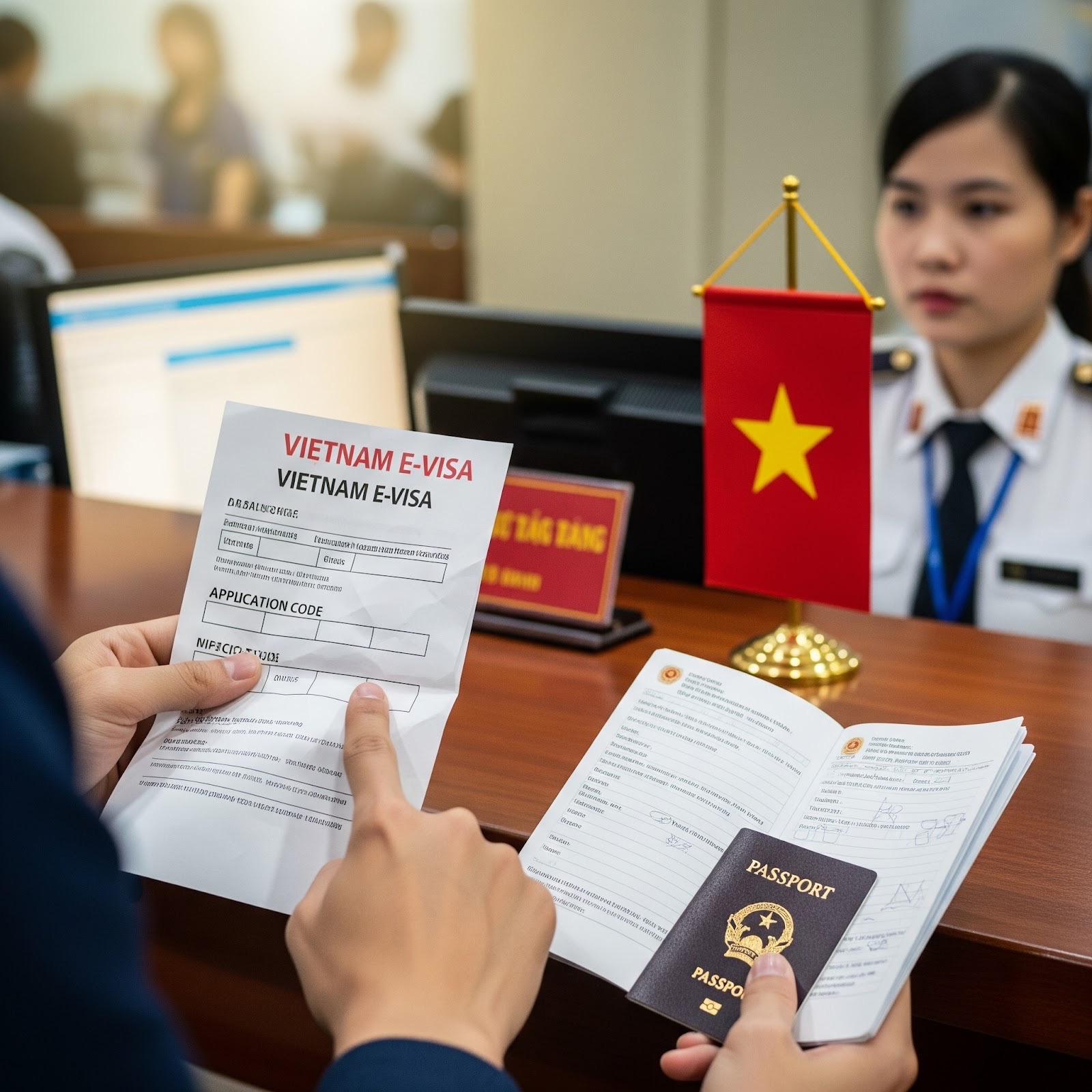
Why Vietnam eVisa applications get rejected
Most rejections are not caused by anything dramatic. They usually happen because the application contains incorrect, incomplete, or unclear information. That is why small mistakes can create bigger travel problems than many travelers expect.
Before assuming the issue is complicated, it is better to step back and review the application carefully. A simple typo, weak image, or mismatch in personal details can be enough to cause a rejection.
Common reasons for rejection
- Passport details entered incorrectly
- Portrait photo does not meet requirements
- Passport image is unclear or incomplete
- Application details do not match the passport exactly
- Information is incomplete or unclear
- Payment was not completed properly
These are the kinds of issues that often cause trouble during processing. In many cases, the best response is not to panic, but to identify the weak point and fix it properly before submitting again.
Pending vs rejected: know the difference
Travelers sometimes see a delay and assume the application has already failed. That is not always true.
A pending application means the process is still not complete. A rejected application means the application was not accepted and needs a fresh submission or a different route. If your status is still unclear, check it carefully before making assumptions.
If payment went through but the status still looks unusual, it may help to review some common Vietnam eVisa payment and status issues before deciding what to do next.
What to do after a rejection
The first step is to slow down and review the original application carefully. Do not rush into a second submission with the same typo, weak image, or mismatch still inside it.
- Check your passport number, full name, and date of birth again
- Review the passport image and portrait photo for clarity
- Make sure all details match the passport exactly
- Confirm that payment was completed correctly
- Submit a fresh application only after the problem has been fixed
If you reapply, the goal should be a cleaner application, not just a faster second attempt.
Can you reapply immediately?
In many practical cases, travelers do reapply after correcting the issue. The key point is accuracy. Reapplying too quickly without checking the original mistake can lead to the same result again.
If your departure date is getting close, leave enough time for the new submission to be processed properly. For the broader timing picture, you can also read this Vietnam eVisa processing time guide.
What if your application is rejected more than once?
If the same application keeps failing, stop resubmitting blindly. At that point, it is better to review your documents, your travel purpose, and the visa route you are using instead of making small edits and hoping for a different result.
Repeated rejection usually means the real problem has not been identified yet. A careful review is more useful than another rushed submission.
How to reduce the risk of rejection
- Apply early instead of waiting until the last few days
- Use a clear passport image and a proper portrait photo
- Check every passport detail carefully before submitting
- Make sure payment is completed successfully
- Do not rely on memory when entering important information
Before you submit again
A rejection is frustrating, but it does not always mean your trip is ruined. In many cases, the real problem is a correctable detail in the application.
Review the weak point carefully, fix it properly, and only submit again when the new application is clearly cleaner than the first one. If you want a broader overview before your trip, this Vietnam eVisa guide covers the main rules, fees, entry basics, and what to prepare before you fly.