Planning a trip to Vietnam is much easier when your visa steps are clear before you fly. This guide covers the practical things most travelers want to check first: who can apply, what documents matter, how long approval usually takes, how the fee works, what to prepare for arrival, and why it still helps to have internet access ready as soon as you land.
Vietnam’s official eVisa system currently allows eligible travelers to apply online for an eVisa valid for up to 90 days, with either single-entry or multiple-entry options depending on the application selected. The official fee is US$25 for a single-entry eVisa and US$50 for a multiple-entry eVisa, and the standard processing time is generally about 3 working days after payment. Many older travel articles still reflect outdated rules, which is why checking current information matters before you apply.
What the Vietnam eVisa covers now
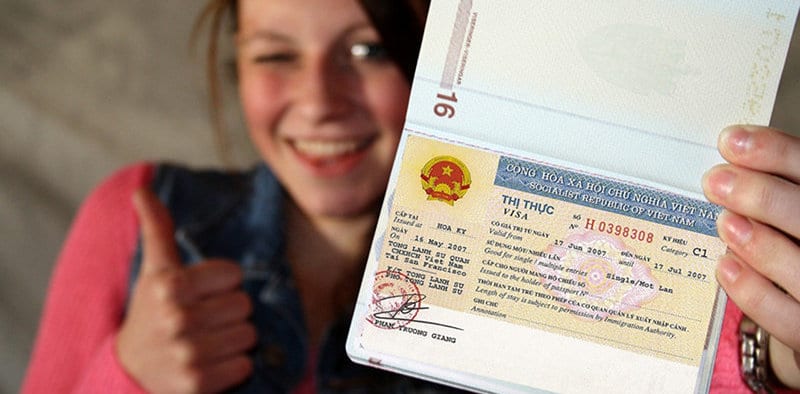
The Vietnam eVisa is an online visa issued through the official immigration system. For travelers, the key point is that the current system is broader and more flexible than many old blog posts still suggest. Eligible applicants can apply online, choose the right entry type, and use the eVisa for a stay of up to 90 days if approved.
This matters because some travelers still arrive with old assumptions. If a page says Vietnam eVisa is only for a very short stay or suggests that multiple entry is unusual, that information is no longer aligned with the current official system.
Can your nationality apply for a Vietnam eVisa?
The safest way to check eligibility is through the official Vietnam eVisa system. In practice, many travelers from major markets can apply online, but nationality-based rules and visa exemption situations can still vary depending on the passport you hold and the purpose of your trip.
Before you submit an application, make sure your nationality is eligible under the current system and do not rely only on older blog posts or forum comments. If your passport qualifies for visa exemption in some situations, it is still worth comparing that option carefully with the eVisa route before you apply.
Before you apply, check these first
The most common visa stress does not start at immigration. It usually starts when someone enters a passport detail incorrectly, uploads the wrong image, or rushes the application without checking whether the trip plan matches the visa type they actually need.
Before applying, make sure your passport data is correct, your uploaded passport image is clear, your portrait photo matches the official requirements, and your travel plan is realistic. If you expect to leave Vietnam and come back during the same trip, think carefully about whether you need multiple entry instead of single entry. A cheaper visa is not a saving if it does not match your route.
How long does Vietnam eVisa processing take?
The official system states that the application is processed in about 3 working days after payment. In real trip planning, that should be treated as a standard timeline rather than a guarantee. Weekends, public holidays, payment issues, image problems, and correction requests can still affect how smoothly the application moves.
That is why it is safer to apply early instead of treating the minimum timeline as your personal deadline. If you want a deeper breakdown of real timing scenarios, public holidays, and delayed approvals, it is better to check a separate processing-time article.
Vietnam eVisa fees and payment basics
The official eVisa fee is US$25 for a single-entry eVisa and US$50 for a multiple-entry eVisa. The fee is paid electronically through the official system, and the fee is not refunded if the application is refused. That makes it worth double-checking your details before you submit.
If your payment fails or the status does not seem to move properly, the cause may be a card issue, a browser session problem, or an interruption during payment. In that case, it is better to review a dedicated troubleshooting guide rather than guess.
Do you need to print your Vietnam eVisa?
Yes, you should bring a printed copy even if you also keep a digital version on your phone.
The official application guidance says that once the eVisa is granted, the traveler should print the eVisa to enter and exit Vietnam. In practice, a phone copy is useful as backup, but depending only on your phone is unnecessary risk. Battery problems, weak airport Wi-Fi, poor signal, or a simple screen issue can create stress at exactly the wrong moment.
The safest setup is simple: keep one printed copy with your passport and one offline PDF on your phone.
Entry basics and ports of entry
Travelers should make sure they use the eVisa through eligible checkpoints. The official immigration system publishes the list of ports that allow foreigners to enter and exit Vietnam by eVisa, and that is the list that matters most when planning your route.
If your trip includes land borders, domestic connections after arrival, or multiple countries in one itinerary, it is worth checking your route carefully before applying. A small mismatch in trip planning can create unnecessary problems later.
What if your application is delayed, rejected, or needs fixing?
Not every visa problem means the traveler is ineligible. Many issues come from small but important mistakes such as mismatched passport details, weak-quality uploads, payment interruptions, or incomplete information. Accuracy matters more than speed during the application itself.
If your application is delayed, review the details you submitted before doing anything else. If it is rejected, check whether the issue may be related to photo quality, passport data, or incomplete information before starting again.
Can you extend a Vietnam eVisa?
If you think you may need a longer stay, do not leave that question until the last minute. The current framework centers on the eVisa validity granted at approval, which can be up to 90 days depending on what is issued. If your trip may go beyond the approved stay, it is better to plan for that early and review proper options instead of assuming there will be a simple last-minute fix.
This is why extension and visa-run questions are best handled in a separate article focused only on that topic.
Why connectivity still matters after your visa is approved
Your visa may be approved before departure, but arrival still comes with small practical tasks. Many travelers need to open their eVisa PDF, contact a driver, check hotel details, look up directions, or access booking information soon after landing in Vietnam.
If airport Wi-Fi is slow or crowded, even simple tasks can become frustrating. That is why many travelers prefer to arrange mobile data before arrival, so they can access documents, maps, and transport details without depending on public Wi-Fi.
If you want to get connected soon after landing, you can check a Vietnam eSIM before your trip. If you are new to eSIM installation, this Vietnam eSIM setup guide explains the basic steps for getting ready before arrival.
A simple checklist before you fly
- Check that your passport details match exactly.
- Confirm your nationality is eligible under the current eVisa system.
- Choose the right eVisa type for your route.
- Apply early instead of relying on the shortest timeline.
- Review the official fee carefully before payment.
- Save the approved eVisa offline and print a paper copy.
- Confirm your route uses an eligible eVisa port of entry.
- Prepare internet access for arrival so you can open documents, maps, and booking details immediately.
Before you fly to Vietnam
If you prepare the visa carefully, most of the process is straightforward. The biggest problems usually come from rushing details, relying on old information, or assuming everything can be fixed later at the airport. A little extra checking before departure can save a lot of stress once your trip begins.